




If you’re thinking about selling your home, here’s an important insight: the homeowners who are winning in today’s market aren’t waiting for perfect conditions — they’re entering the process prepared.
This year, plenty of sellers walked away disappointed. Not because the housing market suddenly shifted against them, but because the strategy they started with didn’t match what today’s buyers expect.
Realtor.com recently reported something surprising — the number of delisted homes is 57% higher than last year. Those homes went on the market, but never made it to the closing table. And in most cases, it came down to two key missteps: pricing and timing.
Learning from those outcomes can help you avoid the same frustration.
1. Nail the Price From the Beginning
Pricing causes more stalled sales than anything else. Many sellers still believe they’ll receive full price — or more — simply because demand has been strong for years. But that confidence doesn’t always align with what’s actually happening.
Redfin found that only 25.3% of sellers are getting above their list price right now.
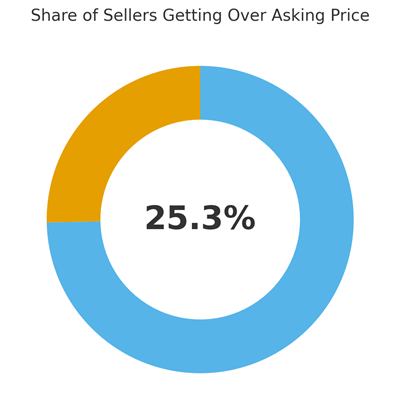
That gap has a simple explanation.
A few years back, almost any home — regardless of condition or price point — could stir up bidding wars. Buyers felt pressured to compete, even if the asking price felt aggressive. But today’s market looks different.
Inventory has grown. Buyers have choices again. With more selection, they can afford to be picky. If a price feels even slightly inflated, many will scroll right past it.
Too often, instead of adjusting, sellers remove their listing altogether — when a modest change could have made all the difference. According to HousingWire, the average price reduction today is just 4%.
Think about that — some homes aren’t selling because of a gap that small. Had they launched with realistic pricing from day one, they may already be celebrating a successful closing.
Before listing, review neighborhood comps, recent sales, and current competition with your agent. That’s how you find a price that attracts buyers, protects your equity, and still positions you to move confidently into your next chapter.
If you’ve owned your home for several years, rising equity often gives you flexibility — something many unsuccessful sellers didn’t recognize.
2. Understand Today’s Selling Timeline
The second common issue? Expecting the home to sell at lightning speed.
Many homeowners still remember the frenzied pace of 2020 and 2021, when offers sometimes arrived within hours. But comparing today to that period sets unrealistic expectations.
Right now, it typically takes around 60 days from listing to closing — and that’s normal for a balanced housing market.
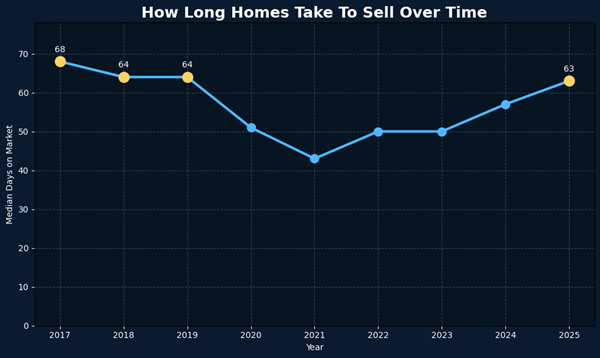
Think of it like leaving the freeway. You go from 65 to 25. It feels slow, but it’s actually the right speed for the environment you’re in.
Buyers today are more thoughtful and deliberate. They’re weighing options, arranging financing, touring more homes, and making intentional decisions. That’s healthy. It means the market isn’t racing ahead unsustainably.
So, if your home doesn’t secure an offer during the first weekend, don’t assume something’s wrong. That’s simply how the market is functioning again.
If speed matters, talk to your real estate professional about ways to stand out — strategic pricing, compelling listing photos, thoughtful staging, pre-list improvements, and strong marketing can all shorten days on market.
The Takeaway
Selling successfully right now isn’t about luck, timing, or waiting for the market to change. It’s about entering the process with the right expectations and strategy.
The homes that didn’t sell this year weren’t failures — they were mismatches between seller expectations and market realities.
If you:
✅ price strategically
✅
remain patient
✅
lean on expert local guidance
—you’re already ahead of the pack.
Success in this market isn’t complicated. It starts with clarity, flexibility, and a plan.